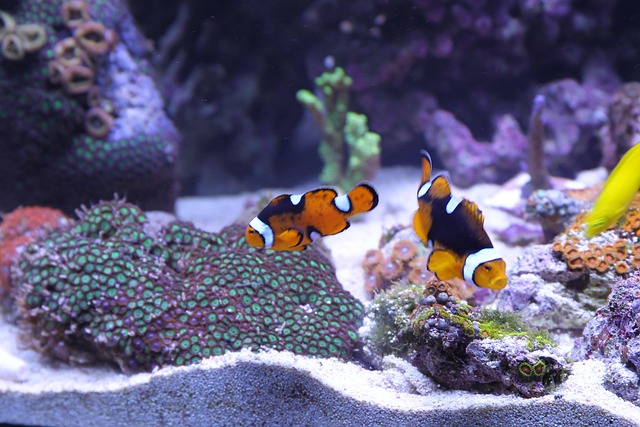
Tanks, filtration, and grow beds are connected by visible plumbing so visitors can follow the loop end to end.
The loop, explained
The simplest way to understand aquaponics is to treat it as a water quality and nutrient management system. Fish provide the nutrient source. Filters and bacteria convert that source into a form plants can use. Plants remove nutrients and help keep water cleaner for fish. Each stage is adjusted to suit the real constraints of operation: tank volume, pump capacity, stocking density, crop choice, and the seasonal patterns that affect temperature and growth. When one stage is out of balance, the effects show up elsewhere, so we use repeatable routines instead of guesswork.
Loxavira runs the loop with a focus on clarity. Visitors can see where water goes, what each filter does, and how plant areas are managed. For partners, we describe the system in terms that support planning: what is checked daily, what is serviced weekly, and which metrics matter most for stability. If you are building your own system, the same logic applies: start with fish welfare, then size filtration and plant area to match realistic feed rates.
- Tank oxygenation and circulation performance
- Water temperature and system stability
- Filtration condition and cleaning intervals
- Plant growth, root health, and harvest timing
A visual flow that mirrors what you see on-site: tanks to filters to plants and back again.
This is a simplified map. Real systems include backup aeration, multiple filters, and crop-specific grow zones.
Feed rates are aligned to tank volume and filtration capacity so water chemistry stays stable.
Solids removal protects pumps and roots, while biofiltration supports safe nutrient conversion.
Crop planning matches the nutrient profile and light conditions so greens stay consistent.
Returning water is checked for stability so the tank environment remains predictable for fish.
Want to see outputs?
Once you understand the loop, products are easier to evaluate. We keep product descriptions aligned with how the system operates: batch timing, crop planning, and handling steps.
Operational routines in Ireland
A reliable aquaponics loop is built on repeatable routines. In Ireland, seasonal temperature shifts can influence fish behaviour, bacterial activity, and plant growth rates. Rather than relying on a single setting, we plan for stability across seasons by keeping equipment accessible, maintaining spare parts, and using clear thresholds for action. The aim is not to chase maximum output. It is to maintain a balanced environment where fish welfare and plant quality remain consistent over time.
Our daily checks cover circulation, aeration, and general system condition. Weekly routines include filter cleaning and inspection, plus a review of crop status so the grow zone matches the nutrient flow. Longer-term tasks involve calibrating sensors and reviewing how feed inputs align with plant demand. If you are evaluating aquaponics for a site, you should plan for these tasks as real operating responsibilities, not optional extras.
Maintenance
Clear intervals and checklists
Equipment is arranged so pumps, valves, and filters are reachable. Good access reduces mistakes and shortens downtime during servicing.
Records
Trends over time
Notes support troubleshooting. When a parameter drifts, you can trace what changed and respond calmly rather than guessing.
System zones you can photograph on-site
Aquaponics is easier to trust when it is visible. The images below represent the key zones visitors focus on during a tour. They also help partners understand where quality is protected: clean plumbing, well-maintained filtration, and healthy plant roots. We do not present imagery as proof of universal results, because systems differ by design and operating routines.


What this page does and does not promise
Aquaponics can be an efficient way to grow food, but it is not automatic. Results depend on system design, maintenance discipline, and the realities of biology. This guide is designed to help you understand the workflow and what is involved in operating it. If you are planning a purchase or a partnership, we can provide a practical conversation about constraints: space requirements, staffing time, and realistic output based on the system scale you are considering.
If your next step is to see how a real system operates day to day, the best option is a tour or a call. You can reach us at +353 1 554 7112 or email [email protected]. For data handling details, read our Privacy Policy.
- Design with fish welfare first: oxygenation, circulation, and access for cleaning.
- Size filtration for realistic feed inputs, then match plant area to nutrient flow.
- Use checklists and documented intervals rather than ad hoc adjustments.
- Plan for seasonal temperature changes and crop timing in Ireland.
If you want to evaluate freshness and formats, head to Products. If you want real-world learning, see our case studies and decide what matches your needs.