Sustainability here is not a badge. It is daily work: measurements, cleaning schedules, and decisions that keep fish welfare and crop quality aligned.

We track core parameters and connect readings to actions, not guesswork.
Pumps and aeration matter. We plan for reliability and sensible usage.
Water stewardship in a recirculating loop
Water is the main infrastructure of an aquaponics farm. It carries oxygen, heat, and nutrients, and it affects fish welfare and plant performance at every moment. Our sustainability work starts with keeping the loop stable and understandable. That means maintaining pumps, monitoring key parameters, and acting early when readings drift. The objective is not perfection. The objective is a routine that prevents avoidable losses and reduces sudden interventions that can stress fish and disrupt crops.
We think in practical questions: is flow consistent through each stage, are filters serviced on schedule, and is water being replaced for a clear reason rather than out of uncertainty. Visitors can see the plumbing, filtration staging, and return lines. If you are assessing aquaponics, ask to see the maintenance checklist. A sustainable loop depends on boring, repeatable work done at the right time.
What we measure and why
Measurements are only useful if they connect to a decision. These are examples of typical checks and the operational reason for tracking them.
Supports fish welfare and biofiltration performance. If oxygen falls, we investigate aeration and circulation immediately.
Affects feeding, plant uptake, and bacterial conversion. We plan batches and crop mixes with seasonal conditions in mind.
Early indicators of imbalance. We review feeding, filtration load, and maintenance logs before making changes.
Leaf colour and root health inform nutrient availability and flow. We treat plants as part of the monitoring system.

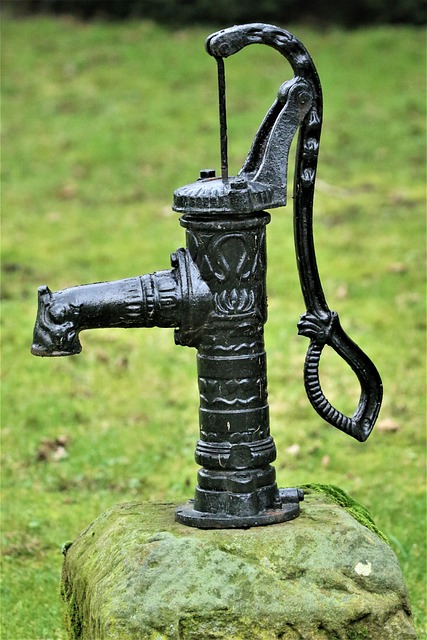
Image is representative of the type of equipment used in modern aquaponics. Specific models and layouts vary by installation.
Nutrient cycling and waste reduction
The heart of aquaponics is nutrient cycling. Fish are fed a controlled diet. Waste produced in the tank becomes a resource after filtration and bacterial conversion. Mechanical filtration removes solids from the water column, helping keep conditions stable. Biofiltration provides habitat for bacteria that convert ammonia into nitrates. Plants then take up nutrients through their roots. When the cycle is balanced, the system avoids large swings and reduces the need for frequent water replacement. When it is not balanced, water quality declines quickly, and both fish and plants can suffer.
We talk about waste reduction carefully. Solids still need handling, and filters still need cleaning. Sustainability is supported when those steps are planned: clear responsibilities, documented intervals, and a process for investigating changes. Our goal is to keep the system predictable and to reduce avoidable disposal, while prioritising animal welfare and food safety.
Trade-offs we acknowledge
Sustainability decisions include trade-offs. We prefer to name them so customers and partners can evaluate aquaponics realistically.
Pumps and aeration run continuously. Reliability is essential, and energy use must be planned for.
Filter cleaning and inspections are frequent. A sustainable loop depends on staffing and clear routines.
Bacterial colonies and crop cycles have timelines. Rapid changes often create instability.
Fish and plants have scheduling needs. Availability planning is more honest than over-promising.
Greens as a living filter
Plant roots and microbial life in the grow zone support nutrient uptake and water clarity. We focus on strong roots, consistent flow, and harvest routines that protect quality.

Energy awareness and resilience
Aquaponics requires continuous circulation and aeration. That reality shapes how we think about sustainability. A resilient farm prioritises stable operations: reliable pumps, backup planning, and clear response steps if readings change. Energy decisions include equipment selection, maintenance scheduling, and how the system is configured for steady flow rather than unnecessary turbulence. We aim to run a farm that is calm to operate and predictable for partners.
We also avoid claiming that any farm is impact-free. Instead, we focus on making trade-offs explicit: where electricity is used, what it supports, and how planning can reduce wasted effort. If you are considering a site installation, we can discuss practical needs like access to power, space for filtration, and the staff time required to keep a system healthy.
Resilience checklist (examples)
These examples illustrate how we translate sustainability into routine, checkable tasks. Your project may require different controls depending on size and location.
Clear plan for critical circulation points, including maintenance intervals and spare parts.
Sensor readings mapped to actions, so staff respond quickly and consistently.
Regular inspection of air stones and blowers. Oxygen stability supports all biology in the loop.
A simple log prevents repeated mistakes and helps diagnose changes across weeks, not just days.
Transparency, data use, and responsible marketing
We keep our public sustainability statements aligned with what can be verified on-site. That includes the visible system components, the documented routine, and the basic facts of what we produce. When we discuss sustainability benefits, we avoid absolute guarantees or vague claims. Aquaponics can support efficient nutrient use and careful water management, but outcomes depend on design, staffing, and daily discipline.
We also treat privacy as part of responsible practice. If you contact us, we use the details you provide only to respond and to follow up on your request. We do not sell personal data. If we use analytics or advertising tools, we treat that activity as optional and consent-based, and we explain it clearly in our policies. For full details, read our Privacy Policy and Terms.
What we will and will not claim
This guide helps visitors interpret our sustainability messaging. If a claim cannot be explained with a process, a measurement, or a clear limitation, we avoid using it.
- How water moves and how it is filtered
- What we grow and when it is typically available
- What we monitor and how it informs actions
- Constraints and trade-offs that affect outcomes
- Guaranteed outcomes without context
- Vague superlatives without evidence
- Claims that ignore energy and maintenance realities
- Any statement that cannot be explained in plain language
Tours focus on the physical loop and operating routine: tanks, filtration, grow beds, monitoring points, and hygiene steps. Request a visit through Contact.
Operations and contact details are local and verifiable in Dublin.
Output is simple: leafy greens and responsibly raised fish.
Integrated cycle connecting water quality, filtration, and plant uptake.